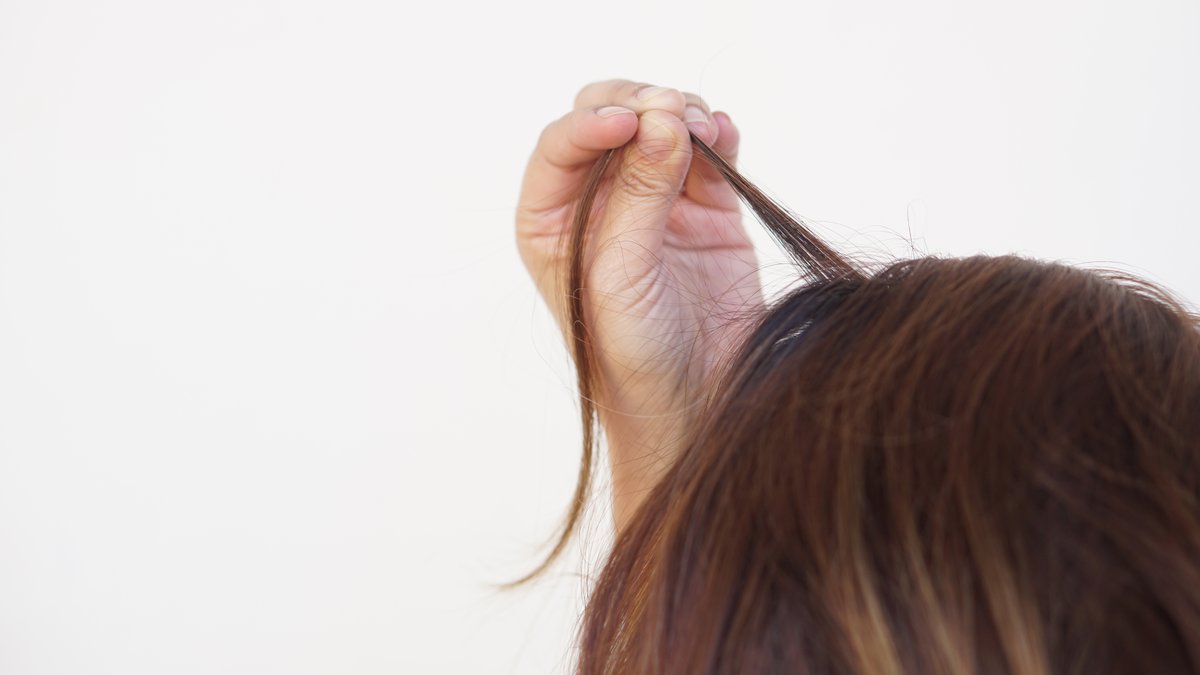
Hair pulling, known clinically as trichotillomania, is the subject of a new guide from A Mission for Michael, published as part of the treatment center's series on self-harm and crisis management. The resource examines the biological and psychological factors that cause the behavior to feel relieving or satisfying, the most common triggers, and approaches that may help individuals manage compulsive urges.
More information is available at https://amfmtreatment.com/blog/why-does-pulling-hair-trichotillomania-feel-good/
Trichotillomania is a complex condition that may arise from a number of biological and psychological causes, but regardless of its origins, it is characterized by the compulsion to pull hair, followed by feelings of satisfaction after the act has been carried out. A Mission for Michael's guide says that one possible mechanism behind the condition is the release of endorphins, chemicals that induce feelings of euphoria, when hair is pulled; this reinforces the behavior, and over time, the brain begins to associate it with relief or satisfaction, leading to habit formation.
A Mission for Michael's guide also notes that individuals may use hair-pulling as a coping mechanism for stress, anxiety, or boredom, three of the most common triggers identified in the resource. Trichotillomania may provide a sense of control in situations where someone feels powerless, the center explains. However, the condition is also associated with shame and low self-esteem, which can lead to social withdrawal; if left unaddressed, it may result in permanent skin damage and hair loss.
To reduce the impact of trichotillomania symptoms, A Mission for Michael advises readers to keep track of situations, emotions, and environments that lead to hair-pulling, as this will allow them to identify and reduce their exposure to their triggers. Individuals can also modify their environment to discourage habits that lead to unconscious hair-pulling.
A Mission for Michael also notes that individuals with trichotillomania may benefit from joining a support group, which can offer a space to share experiences with peers facing similar challenges. If hair-pulling is severe enough to affect daily life and emotional well-being, the resource said, professional therapy is an option for addressing the underlying causes of the behavior or developing techniques like habit reversal training.
More information is available at https://amfmtreatment.com/