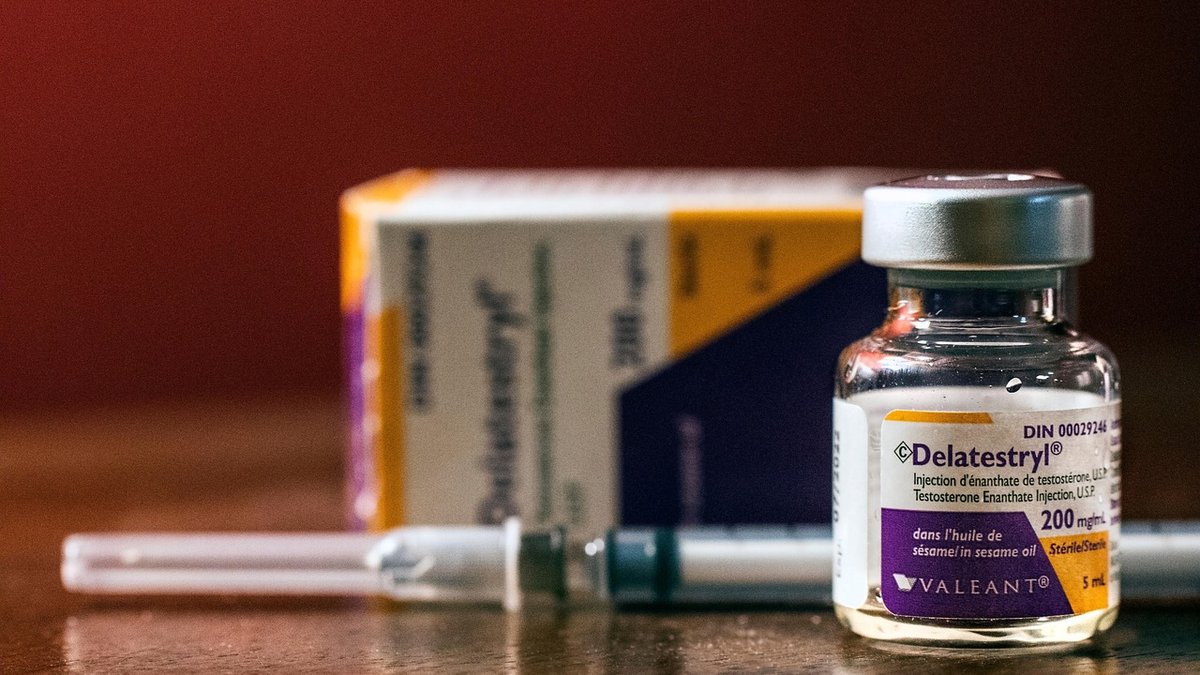
TRT Australia has released a new guide explaining testosterone replacement therapy (TRT), treatment eligibility, and potential costs in Canberra, as social media trends continue to shape public perceptions of testosterone and men's health.
The resource addresses growing discussion around “T-maxxing,” a social media-driven trend associated with the belief that higher testosterone levels are necessary for optimal health or lifestyle outcomes. TRT Australia says the trend highlights the importance of helping men distinguish between medically diagnosed testosterone deficiency and the use of testosterone without appropriate medical supervision.
According to Healthy Male, the trend has been associated with some young men using unprescribed testosterone or other medications to artificially increase testosterone levels. Such use can carry serious risks, including cardiovascular complications, infertility, and other adverse effects. Testosterone treatment should be considered only when clinically indicated and under appropriate medical supervision.
“Clear information about testosterone levels, treatment eligibility, and potential costs can help men make more informed decisions about their health,” said TRT Australia. “TRT is a medical treatment, not a general-purpose way to optimise testosterone, and men considering treatment should discuss their symptoms and test results with a qualified healthcare professional.”
Low testosterone can affect between 1 in 20 and 1 in 200 men and may be associated with illness, traumatic injury, or birth defects, according to the Better Health Channel. Testosterone production also tends to decline with age, but age-related changes alone do not automatically make someone eligible for TRT in Australia.
TRT Australia's guide explains that testosterone replacement therapy may be recommended when a medical professional identifies abnormally low testosterone levels through appropriate blood testing, and the individual also presents with symptoms consistent with androgen deficiency. Symptoms may include persistent fatigue, mood changes, reduced muscle and bone mass, and cognitive difficulties. For men who are medically approved for TRT, treatment costs can vary depending on the prescribed dosage, medication frequency, monitoring requirements, and payment structure.
Based on TRT Australia's own observed patient pricing, the organisation estimates that consultations, medication, and monitoring can cost approximately AUD $1,650 to $2,300 per year, although individual costs vary. Injectable testosterone is generally among the lower-cost treatment options, while pellet implants can involve higher costs. TRT Australia emphasises that testosterone treatment should be obtained through appropriately licensed healthcare providers, including qualified men's health clinics, endocrinologists, GPs, and legitimate telehealth providers.
The new guide provides further information about TRT costs, prescription options, and factors that may influence treatment expenses for men considering therapy in Canberra.
About TRT Australia
TRT Australia provides information and access to testosterone replacement therapy services for eligible Australian men. Its resources cover testosterone deficiency, treatment options, costs, and the importance of appropriate medical assessment and ongoing monitoring.
More information is available at https://trtaustralia.com/trt-clinic-in-canberra-cost-prescription-options/