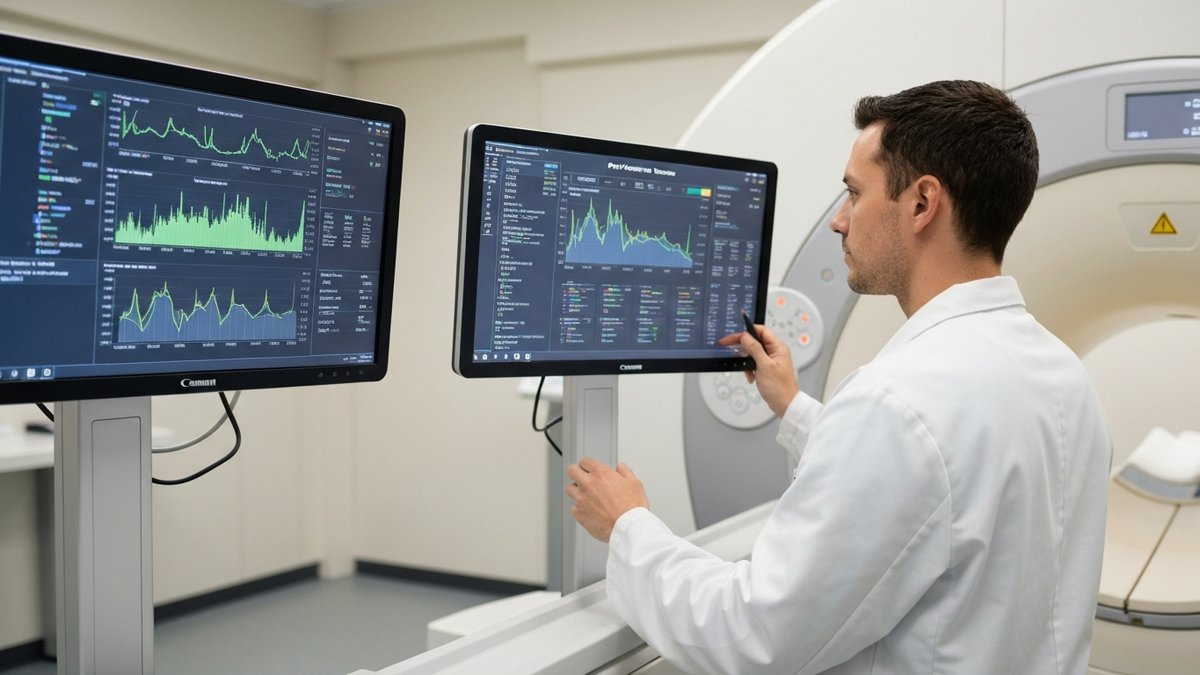
ContrastConnect has released a guide on key performance benchmarks that ensure a facility’s virtual supervision platform is safe for patients and compliant with CMS rules. The guide covers the main categories that are essential for compliance, as well as what imaging centers must do to meet the standards in each category.
For more information, please visit https://www.contrast-connect.com/blog-post/remote-contrast-coverage-performance-benchmarks-for-imaging-networks
Frequency restrictions on telehealth services have been lifted as of January 1, 2026, allowing primary care providers and specialists to tend to patients regardless of geographical distance or time of day. The new rule extends to medical imaging, and supervising clinicians can now meet the “immediately available” requirement for level 2 diagnostic exams, which include contrast-enhanced procedures, as long as they are monitoring the procedure through live, two-way audiovisual telecommunications technology. This change has many implications for healthcare, with many experts in the industry believing that the added flexibility of remote supervision will be beneficial to both patients and medical facilities amid the ongoing radiologist shortage.
However, ContrastConnect notes that the new rule also comes with compliance considerations, as contrast media administration carries the risk of adverse reactions. According to the company’s guide, response time is a critical benchmark, and it should be the primary metric in measuring the performance of a virtual supervision platform; this is the interval between a technologist initiating a live supervision session and a radiologist joining the session.
Best-in-class response times will have an established connection in under 30 seconds, while any workflow where connection times exceed 90 seconds or are unmeasured creates risks for both compliance exposure and patient safety.
ContrastConnect says that facilities must also monitor contrast reaction management frequency to ensure they have documented response protocols for every tier of contrast reactions. Specific performance indicators include total contrast reactions per 1,000 exams, breakdown by reaction severity, time from reaction onset to radiologist intervention, on-site staff adherence to emergency protocols, and post-reaction documentation completeness.
Finally, the resource notes that scan cancellation rates before and after virtual supervision implementation are an important measure of platform reliability. If diagnostic procedures are still being cancelled due to coverage gaps even after virtual supervision implementation, the issue likely lies with scheduling architecture and should be corrected as soon as possible.
More information is available at https://www.contrast-connect.com/