Key Takeaways
- Men's testosterone naturally declines at roughly 1% per year after age 30, but lifestyle factors like obesity, poor sleep, and chronic stress often have a greater impact than age alone on hormone levels.
- The Australian PBS requires two confirmed testosterone readings below 6 nmol/L (updated from 8 nmol/L in April 2015) or below 15 nmol/L with elevated LH before subsidising treatment, emphasising that symptoms must align with test results for proper diagnosis.
- Research shows symptom thresholds occur at specific testosterone levels: reduced energy below 15 nmol/L, weight gain below 12 nmol/L, low mood below 10 nmol/L, and erectile dysfunction below 8 nmol/L.
- Morning testosterone testing between 8-10am is necessary for accuracy, as levels can drop 20-25% by 4 PM in men aged 30-40 and 10% in 70-year-old men compared to morning readings.
Testosterone Decline Isn't Just About Age - Lifestyle and Health Matter More
While testosterone naturally decreases with age, Australian health experts emphasise that lifestyle factors often play a more significant role in hormonal decline than the ageing process itself. Research indicates that obesity, chronic stress, poor sleep quality, and underlying health conditions can suppress testosterone production more dramatically than the typical 1% annual decline that begins in a man's 30s or 40s.
Australian medical literature confirms that serum testosterone concentrations decline with age, but symptoms of hypogonadism can be mimicked by other illnesses and the ageing process itself. This distinction is vital for Australian men seeking to understand whether their symptoms stem from true testosterone deficiency or other treatable conditions.
The implications are significant: addressing reversible factors like weight loss, exercise, stress management, and treating sleep apnoea can naturally restore testosterone levels without requiring hormone replacement therapy.
Understanding Normal Testosterone Ranges in Australia
The 20-40 Reference Standard Most Doctors Use
Australian medical guidelines define 'normal' testosterone levels based on the range found in healthy men aged 20-40 years, with deficiency considered a value lower than the 2.5 percentile in morning samples. An Australian study of 21-35-year-old healthy, fertile men using gold-standard gas chromatography mass spectrometry reported a total testosterone reference range of 9.7-34.3 nmol/L, with a mean of 18.2 nmol/L.
However, this standardised approach creates challenges. The study revealed significant discrepancies between seven different immunoassays, with lower reference values ranging from 6.1 to 11.5 nmol/L and upper values ranging from 35.1 to 44.9 nmol/L. This variability highlights why different laboratories may provide conflicting results for the same individual.
Why Age-Specific Ranges Remain Controversial
The medical community debates whether testosterone reference ranges should adjust for age, given the natural decline beyond 60 years in healthy populations. Current guidelines maintain the 20-40 year standard, but some experts argue this approach may over-diagnose testosterone deficiency in older men who are experiencing normal age-related changes rather than pathological hormone deficiency.
This controversy extends to treatment decisions. Values between 8-12 nmol/L create uncertainty due to variability in testosterone assays, indicating a need for standardisation across Australian laboratories. The challenge lies in distinguishing between men who need treatment and those experiencing normal physiological changes.
Australian Research on Healthy Men's Testosterone Levels
Recent Australian research provides more precise age-specific data. A 2022 study of 1,486 men aged 20-44 established conservative guidelines using the middle third of testosterone values. The findings showed normal ranges of 14.2-19.3 nmol/L for men aged 20-24, declining to 12.1-16.4 nmol/L for men aged 40-44.
These results focus on the middle values rather than the full range, providing a more conservative benchmark. As more data becomes available, these ranges may be adjusted to better reflect natural variations in testosterone as Australian men age.
When Symptoms Matter More Than Numbers
Research-Based Symptom Thresholds
Australian research demonstrates that specific testosterone thresholds correlate with distinct symptoms. A study of 434 men linked testosterone levels below 15 nmol/L to reduced energy, levels below 12 nmol/L to weight gain, levels under 10 nmol/L to low mood, and levels dropping below 8 nmol/L to erectile dysfunction.
This symptom-threshold approach revolutionises how doctors assess testosterone deficiency. Rather than focusing solely on laboratory numbers, clinicians now consider whether patients experience symptoms typically associated with low testosterone. Men without symptoms may have perfectly normal hormone function even if their testosterone sits at the lower end of the reference range.
Why Both Blood Tests and Symptoms Are Required for Diagnosis
Australian medical guidelines emphasise that testosterone therapy should not be prescribed for non-specific symptoms alone. The diagnosis requires both confirmed low testosterone levels and clinical symptoms of androgen deficiency. This dual requirement prevents inappropriate treatment of men experiencing fatigue, mood changes, or reduced libido due to other medical conditions.
Symptoms of low testosterone in Australian men include reduced libido, erectile dysfunction, changes in sleep patterns, hot flushes, lower energy levels, low mood, and difficulty concentrating or remembering. However, these symptoms can be mimicked by depression, diabetes, sleep disorders, and other conditions that require different treatments.
Australian PBS Guidelines for Testosterone Treatment
Strict Requirements for Subsidised TRT
The Australian Pharmaceutical Benefits Scheme (PBS) subsidises testosterone replacement therapy under strict criteria. For men over 40 without established pituitary or testicular disease, serum total testosterone must be below 6 nmol/L (updated from 8 nmol/L in April 2015), or below 15 nmol/L with elevated luteinising hormone levels (more than 1.5 times the upper limit of normal).
These guidelines ensure that subsidised treatment targets men with genuine testosterone deficiency rather than those experiencing normal age-related decline. The PBS requirements also mandate that patients demonstrate symptoms consistent with low testosterone, not just laboratory abnormalities.
The Testing Protocol: Two Confirmed Low Results Required
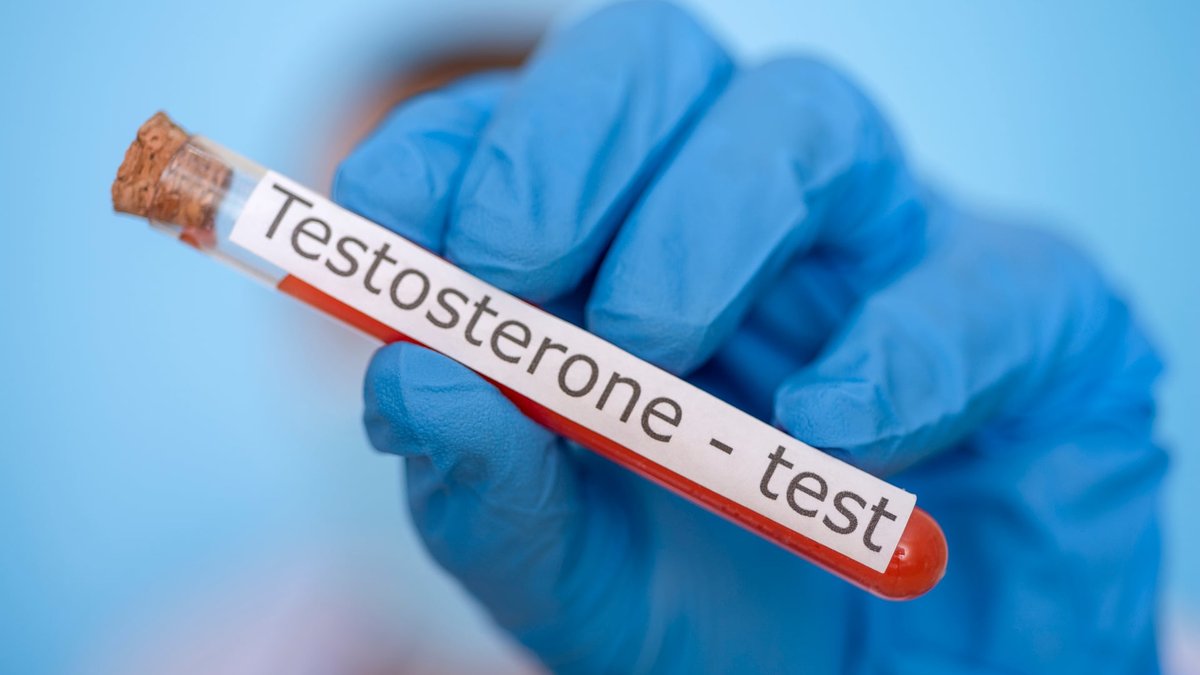
Australian protocols require two separate morning testosterone measurements to confirm deficiency before initiating treatment. Samples must be collected between 8-10am due to testosterone's diurnal variation, with morning peaks and mid-afternoon nadirs. This protocol accounts for day-to-day variations and ensures accurate diagnosis.
The two-test requirement prevents treatment based on isolated low readings that might result from illness, stress, poor sleep, or laboratory error. Australian guidelines for testosterone therapy often recommend a target trough level of 10-15 nmol/L once treatment begins.
Warning Signs That Warrant Testosterone Testing
1. Energy and Mood Changes
Persistent fatigue that doesn't improve with adequate sleep, rest, or stress management may indicate testosterone deficiency. Men experiencing unexplained energy crashes, particularly in the afternoon, along with mood changes including irritability, depression, or anxiety, should consider testosterone evaluation. These symptoms often develop gradually, making them easy to dismiss as normal ageing or work stress.
2. Physical and Sexual Health Symptoms
Sexual health changes represent classic indicators of potential testosterone deficiency. Reduced libido, difficulty achieving or maintaining erections, and decreased satisfaction with sexual activity warrant investigation. Physical symptoms include hot flushes similar to those experienced during menopause, changes in sleep patterns, and reduced muscle strength or endurance during exercise.
3. Body Composition Changes
Unexplained weight gain, particularly around the abdomen, combined with loss of muscle mass despite regular exercise, may signal testosterone deficiency. Men might notice their clothes fitting differently, reduced muscle definition, or difficulty maintaining their previous fitness levels. These changes often occur alongside increased body fat percentage and reduced bone density.
Why Your Testosterone Test Results May Be Unreliable
Testosterone test accuracy depends heavily on proper timing, laboratory methods, and individual factors. Morning sampling between 8-10 am is vital because testosterone levels can drop by 20-25% throughout the day in men aged 30-40 and 10% in 70-year-old men compared to morning readings. Many men receive inaccurate results from afternoon testing, leading to misdiagnosis.
Laboratory methodology significantly impacts results. While gold-standard gas or liquid chromatography mass spectrometry provides the most accurate measurements, many laboratories use automated immunoassays that have variable sensitivity and accuracy, particularly in the low testosterone range. Australian studies show that different testing methods can produce vastly different results for the same blood sample.
Individual factors also affect test reliability. Recent illness, poor sleep, intense exercise, alcohol consumption, or medications can temporarily suppress testosterone levels. Stress hormones like cortisol directly inhibit testosterone production, making test timing vital for men under significant physical or emotional stress.
Get a Professional Assessment if You're Experiencing Low Testosterone Symptoms
If multiple symptoms suggest testosterone deficiency, seek evaluation from a healthcare provider experienced in hormone health. Proper assessment includes medical history, physical examination, and appropriate laboratory testing. The process should identify reversible causes of low testosterone and determine whether symptoms truly correlate with hormone levels.
Professional assessment also ensures safe treatment protocols. Testosterone therapy carries risks, including increased red blood cell count, potential cardiovascular events in older men, and suppression of natural sperm production. Contraindications include prostate or breast cancer, elevated haematocrit above 50%, severe untreated sleep apnoea, and existing prostate symptoms.
Men considering testosterone replacement should understand that lifestyle modifications, including regular exercise, weight loss, stress management, and treating underlying conditions like sleep apnoea, can naturally restore hormone levels. For those requiring medical intervention, a a tailored approach provided by specialists will provide the best outcomes.