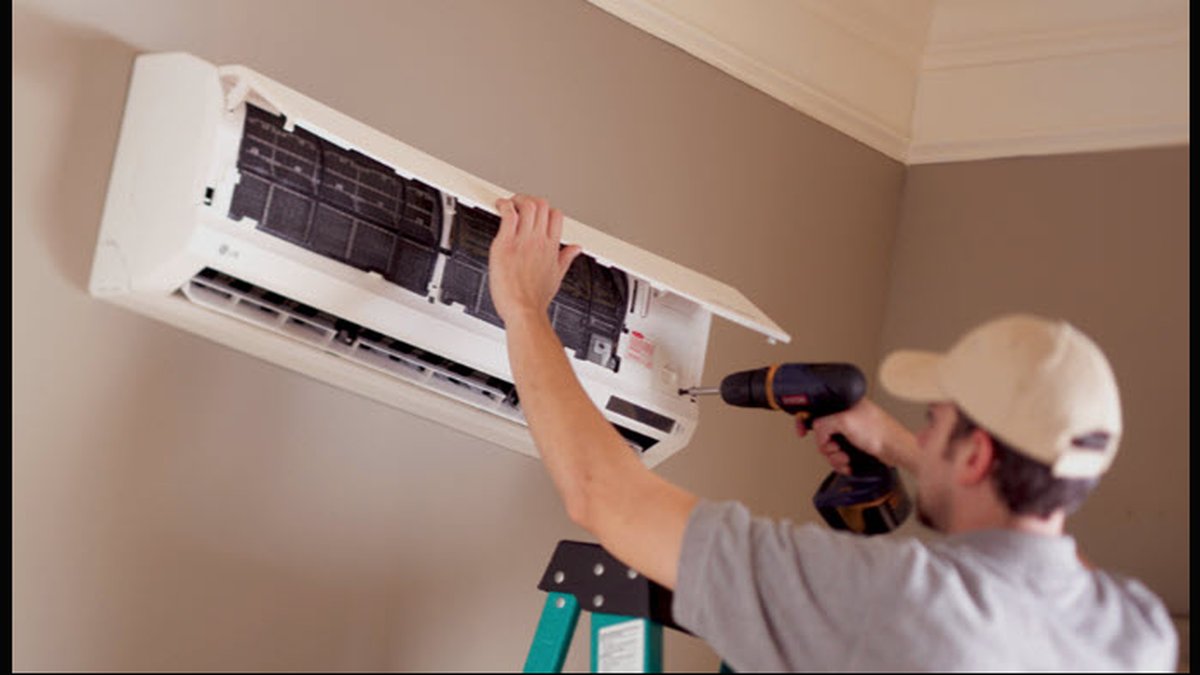
Texas summers put unusual strain on air conditioning systems. With temperatures regularly climbing into triple digits and cooling seasons stretching for months, AC units often run for hours at a time with little rest. Industry professionals at Pepcal Heating & Air say regular AC maintenance is one of the most effective ways to catch small issues before they turn into costly breakdowns. Understanding what a maintenance visit actually involves can help homeowners know what to expect and why each step matters.
Inspecting the System From Indoor Unit to Outdoor Condenser
A thorough maintenance visit typically starts with a full inspection of the system, covering both the indoor air handler and the outdoor condenser unit. Technicians look for visible wear, loose connections, unusual noise, or signs of corrosion. This step establishes a baseline understanding of how the system is performing before any specific components are tested.
The team from Pepcal Heating & Air explains that the outdoor condenser is especially prone to accumulating debris, leaves, and dirt over time, since it sits exposed to the elements year-round. A blocked or dirty condenser has to work harder to release heat, which reduces efficiency and increases strain on the compressor, one of the most expensive components to replace.
Checking Refrigerant Levels and Cleaning Coils
Refrigerant is the substance responsible for absorbing and releasing heat as it cycles through the system. When refrigerant levels are too low, often due to a slow leak, the system loses its ability to cool effectively and has to run longer to reach the same temperature. Technicians check refrigerant levels and assess whether they fall within the manufacturer's recommended range.
Coil cleaning is another central part of maintenance. Both the evaporator coil, located indoors, and the condenser coil, located outdoors, can accumulate dust, dirt, and grime over a cooling season. A dirty coil reduces the system's ability to transfer heat efficiently, which forces it to run longer and use more energy to achieve the same result. Cleaning these coils restores much of the system's original efficiency.
Testing Electrical Components and Calibrating the Thermostat
Electrical components, including capacitors, contactors, and wiring, are common points of failure in aging AC systems. Capacitors in particular tend to degrade gradually, often showing no outward signs of a problem until they fail completely, frequently during periods of heavy use. Testing these components during a maintenance visit can catch early degradation before it results in a system that will not start at all.
Thermostat calibration and operation verification are also part of a standard maintenance visit. A thermostat that is not calibrated correctly can cause a system to run inefficiently, either by cycling more often than necessary or by failing to reach the temperature the homeowner has set. Verifying that the thermostat is communicating accurately with the system helps ensure the unit runs only as much as it needs to.
Airflow is measured as part of this process as well. Restricted airflow, often caused by a clogged filter or blocked vents, forces the compressor to work harder than necessary, which can shorten the lifespan of major components over time.
Why These Steps Matter for Long-Term System Performance
Each part of a maintenance visit addresses a specific way that AC systems lose efficiency or develop problems over time. Refrigerant checks catch issues that reduce cooling capacity. Coil cleaning restores heat transfer efficiency. Electrical testing identifies components nearing failure before they cause a full breakdown. Thermostat calibration and airflow measurement ensure the system is not working harder than it needs to.
Together, these steps help explain why well-maintained systems tend to use less energy and last longer than systems that go without regular service. They also help homeowners avoid the scenario most common during Texas summers: a system that fails unexpectedly during the hottest weeks of the year, when demand for repairs is highest, and appointment availability is often limited.
Scheduling maintenance before the peak cooling season begins allows professional HVAC technicians to address minor issues while they are still inexpensive to fix, rather than waiting until a small problem becomes a major failure in the middle of extreme heat.