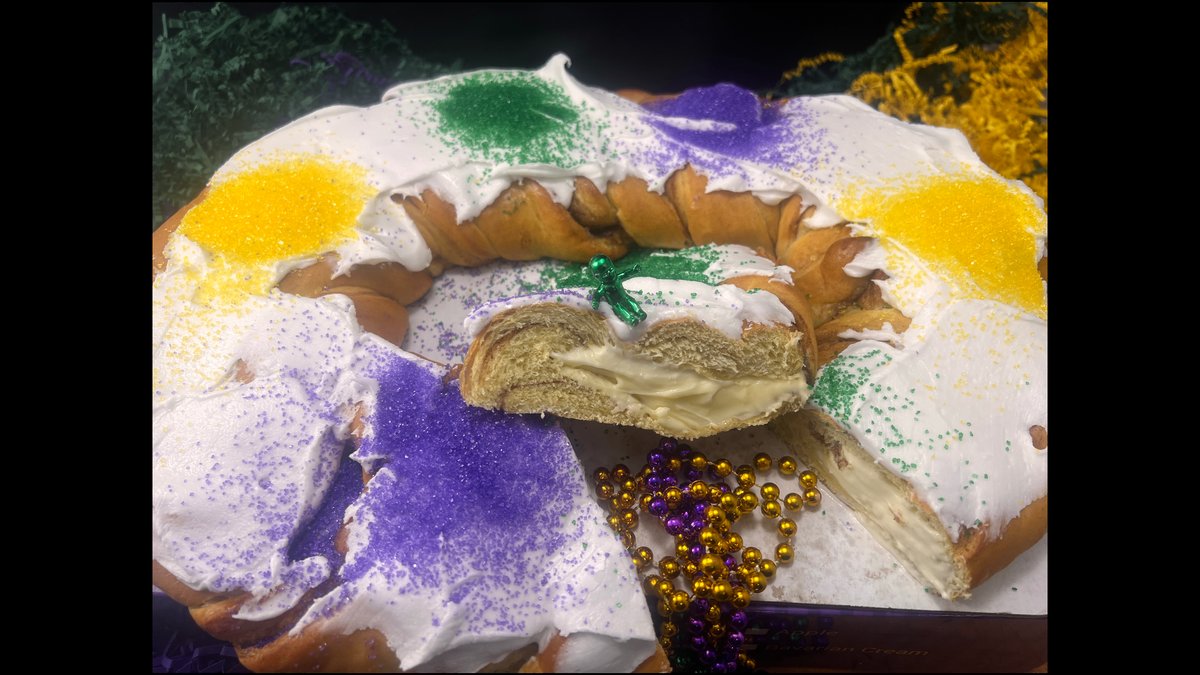
King of Cakes has released an educational guide that explores the cultural and historical origins of the King Cake baby tradition, addressing widespread curiosity about one of Mardi Gras' most recognizable symbols. The guide provides authoritative information on why King Cakes contain plastic babies, tracing the practice from ancient customs through Christian traditions to its modern role in Louisiana celebrations and offering both cultural enthusiasts and Mardi Gras participants a detailed understanding of this enduring tradition.
More details can be found at https://kingkingcakes.com/why-is-there-a-baby-in-a-king-cake/
This tradition carries both cultural and economic significance. While there is no official count of King Cake production in New Orleans, estimates have suggested that area bakeries collectively produce more than 750,000 King Cakes during the Carnival season, representing millions of dollars in sales.
The season runs from January 6, known as Epiphany, through Mardi Gras Day, making the tradition a cornerstone of the celebration and a substantial economic driver for Louisiana businesses. The guide contextualizes how what appears to be a modern commercial product actually represents thousands of years of evolving customs.
The practice of hiding objects in cakes began during the Roman festival of Saturnalia, a winter solstice celebration where a dried bean concealed in a cake crowned the finder as King for a Day. As Christianity spread across Europe, this custom was repurposed rather than abandoned and became associated with Epiphany on January 6 to commemorate the Three Wise Men's visit to the Christ Child. The hidden object continued to symbolize good fortune and the selection of a king or queen, demonstrating remarkable continuity across millennia and religious transformations.
French and Spanish settlers brought related Epiphany traditions to Louisiana, where the custom gradually evolved into its distinctly New Orleans form. For generations, beans, pecans and other small objects were used in King Cakes. McKenzie’s Pastry Shoppes owner Donald Entringer is widely credited with popularizing the tiny doll in New Orleans King Cakes, first using small porcelain figures before plastic babies became the familiar standard. The practice spread throughout Louisiana bakeries, transforming the plastic baby into one of the most recognizable symbols of Mardi Gras and creating the version familiar to modern celebrants.
Finding the baby carries both honor and responsibility within the tradition. The person becomes King or Queen for the day while assuming the duty of providing the next King Cake. This custom perpetuates the Mardi Gras season from gathering to gathering, creating community engagement that extends the celebration beyond a single day. The cakes themselves are adorned in purple, green, and gold. Rex established purple, green and gold in 1872, but the meanings—purple/justice, green/faith, gold/power—were assigned in the 1892 Rex parade, not in 1872.
King of Cakes positions the guide as a definitive resource that answers the natural questions participants encounter when discovering the baby tradition: where it originated, why it persists, what it signifies, and how to engage meaningfully if it's found it. By combining historical research with accessible storytelling, the guide serves both enthusiasts seeking cultural knowledge and practical participants wanting to understand their role in preserving this cherished aspect of Mardi Gras celebrations.
For more information, visit https://kingkingcakes.com